



With 200+ LiveCube agents automating over 60% of close tasks and real-time anomaly detection powered by 15+ ML models, it delivers continuous close and guaranteed outcomes—cutting through the AI hype. On track for 90% automation by 2027, HighRadius is driving toward full finance autonomy. Used by public and private companies that need to comply with GAAP and other accounting standards. Bad debt is recognized only when the amount is deemed to be uncollectible, this delays recognition. In this blog, we are going to explore the direct write-off vs. allowance methods and understand how they differ from each other.
Revenue Reconciliation
It also requires adjusting accounting systems to handle the new workflow and ensure accurate reporting. This transition can be especially advantageous for businesses aiming to scale, attract investors, or align their financial practices with GAAP requirements. At the end of the fiscal year, the retailer’s accounts receivable balance is $100,000. Based on previous experience and current economic conditions, the retailer estimates that 5% of these receivables may not be collected. The direct write-off method is indeed a useful tool—especially for small businesses that want to keep accounting simple—but it comes with trade-offs. You will lose a bit of financial accuracy and compliance in exchange for fewer journal entries and an easier bookkeeping process.
The Direct Write-Off Method: Understanding Bad Debt Management in Accounting
- This entry establishes a $25,000 reserve for anticipated losses from uncollectible accounts.
- In this guide, we’ll break down both methods, explain when and why to use each, and help you choose the right approach for your business.
- When a company uses the allowance method, they have to study its accounts receivable or unpaid invoices and estimate the amount that may eventually become bad debts.
- The direct write-off method is certainly simple, but it also comes with a few drawbacks that can impact the accuracy and reliability of your financial reporting.
- Even if you switch to the allowance method, make sure you track bad debt carefully, so that it’s easier for you to declare the correct value when it’s tax season.
- One of the challenges is the subjectivity involved in estimating the allowance for doubtful accounts.
Rather than writing off bad debt as unpaid invoices come in, the amount is tallied up only at the end of the accounting year. The direct write off method is simpler than the allowance method as it takes care of uncollectible accounts with a single journal entry. It’s certainly easier for small business owners with no accounting background. It also deals in actual losses instead of initial estimates, which can be less confusing. It is waived off using the direct write-off method journal entry to close the specific account.
The Direct Write-off Method vs. the Allowance Method
This can mislead stakeholders about the https://www.bookstime.com/ company’s true financial performance and condition. The direct write-off method is easy to operate as it only requires that specific debts are written off with a simple journal as and when they are identified. The problem however, is that under generally accepted accounting principles (GAAP), the method is not acceptable as it violates the matching principle. This means that when the loss is reported as an expense in the books, it’s being stacked up on the income statement against the revenue that’s unrelated to that project.
- The estimated amount is debited from the Bad Debts Expense and credited to an Allowance for Doubtful Accounts to maintain balance.
- Creating the credit memo creates a debit to a bad debt expense account and a credit to the accounts receivable account.
- This helps create financial statements that reflect a more accurate and timely picture of a company’s financial health.
- Companies typically classify bad debt as uncollectible around the 90-day-to-120-day mark.
- A lower gross margin indicates that a company is not generating enough profit from each dollar in sales.
- The allowance method accounts for the bad debt of an unpaid invoice in the same time period as the invoice that was raised.
- The direct write-off method avoids any errors in this regard and also reduces the risk of overstating or understanding any expenses.
A significant disadvantage of the Direct Write-Off Method is the delay in recognizing bad debt. Because bad debts are recorded only when they become uncollectible, there can be a considerable time gap between the sale and the recognition of the bad debt expense. This delay can lead to financial statements that do not accurately reflect the company’s financial condition during the period in which the sales occurred. In the realm of accounting, managing receivables is a crucial aspect of maintaining a company’s financial health. One of the challenges businesses face is dealing with bad debts—amounts owed by customers that are unlikely to be collected. The Direct Write-Off Method is one approach to handling these uncollectible accounts.

Cash Flow Statement
It reduces the accounts receivable by $2,000 and also reduces the reserve in the allowance for doubtful accounts. For smaller businesses, the simpler direct write-off method may be useful for recording infrequent bad debt incurred. If you provide wholesale products to other business clients, you may need to offer them more flexible payment terms. Extending credit to clients can be great for building business relationships. For example, one of your biggest clients has outstanding credit with you for $12,000, as a result of a long-standing business relationship.
A bad debt expense is a loss that the company incurs related to the accounts receivable. It is an invoice that is uncollectible since the customer is unable to pay or not willing to pay back the amount for some reason and all attempts of recovery have been made by the company. The second method of bookkeeping writing-off accounts receivable is easier to report bad debt expenses. It directly writes off bad debts when they actually occur i.e. after several attempts of trying to recover the money. The Direct Write-Off Method is a straightforward approach to accounting for bad debts.
- This is a contra asset account that lessens your Accounts Receivable, and can also be called a Bad Debt Reserve.
- The write-off expense account is debited in both the direct write-off method and the allowance method.
- Where a write-down is a partial reduction of an asset’s book value, a write-off indicates that an asset no longer produces or adds to income.
- The aging method breaks down receivables based on the length of time each has been outstanding and applies a higher percentage to older debts.
- By adapting credit management strategies to reflect the prevailing economic climate, businesses can better mitigate risk and enhance operational resilience.
Small Business Use
It’s simple to use and recognizes unpaid debts only when they are deemed uncollectible. Below, we’ll explain what this method is, how it works, and when to use it. Moreover, leveraging technology, offering payment incentives, and adapting credit terms in response to economic shifts empower companies to balance risk with growth opportunities. When bad debts do occur, handling write-offs professionally and exploring appropriate recovery avenues ensures financial records remain accurate without compromising customer relationships. Understanding bad debt accounting and the direct write-off method is essential for any business aiming to maintain financial clarity and resilience.

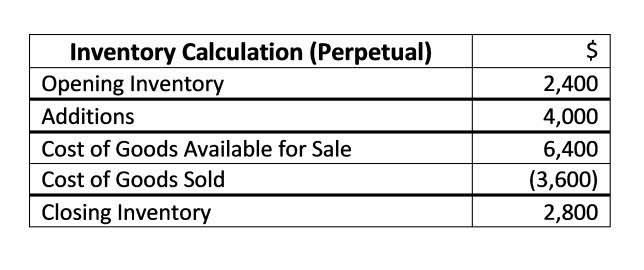
While these write-offs negatively impacted Walmart’s financial performance, they were necessary as the company aimed to maintain its competitive edge by adjusting its inventory levels to current market conditions. The process of recording an inventory write-off affects a company’s financial performance measures, primarily impacting its cost of goods sold (COGS), gross margins, net income, and retained earnings. Let’s explore how these key financial metrics are influenced by inventory direct write off method write-offs. It is essential to differentiate between an inventory write-off and a write-down.
